

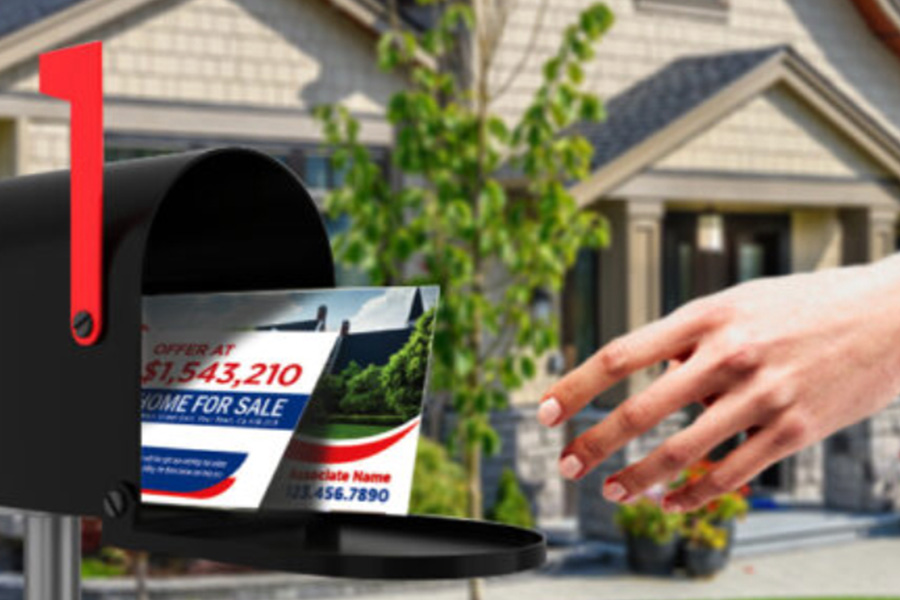
Although email and SMS marketing can reach customers very quickly, direct mail marketing is still an important part of a strong omnichannel strategy. It may seem old compared to digital ads, but it continues to be effective because people still notice and read physical mail at home. It is also a helpful way for businesses to stand out in a time when online ads are everywhere and often ignored.
Direct mail is also useful because it is not affected by ad blockers, spam filters, or changing online privacy rules. It gives businesses a direct way to reach customers in a more personal and physical form. Many studies also show that people still respond to mail they can hold, especially when it includes offers or useful information.
What is Direct Mail Marketing?
Direct mail marketing is when a business sends physical promotional materials to people through the mail. These can include postcards, coupons, letters, catalogs, or special offer cards. The goal is to promote a product, service, or store visit in a way that feels more direct and noticeable.
One of the main strengths of direct mail is that it gives customers something real they can keep. For example, a coupon can be placed on a fridge or table as a reminder to use it later. This helps brands stay in the customer’s mind longer compared to a short online ad that can be quickly forgotten.
Direct mail is also useful for reaching households instead of just one person. Even if the main receiver is not interested, someone else in the home might see the offer and respond to it. This increases the chance of engagement.
Types of Direct Mail Used in Retail
Businesses use different types of direct mail depending on their goals and budget. The most common type is postcards because they are simple, low-cost, and easy to design. They are often used for discounts, announcements, or seasonal offers.
Other common types include:
- Coupons and discount cards – Used to encourage quick purchases
- Letters or offer messages – More detailed and personal communication
- Catalogs – Show many products in one printed material
- Special shaped or creative mailers – Designed to grab attention and stand out
Each type has its own purpose, but all aim to attract attention and encourage action from the customer.
How Direct Mail Works with Digital Marketing
Direct mail works best when it is combined with other marketing methods like email, social media, and online ads. This combination is called an integrated or omnichannel approach.
For example, a customer might see a product online first, then later receive a mail offer about the same product. Seeing the message in different ways helps increase trust and interest. It also makes the brand more memorable.
Direct mail can support digital marketing by:
- Reaching customers who do not respond to emails
- Reinforcing online promotions with physical reminders
- Targeting specific groups based on location or interest
- Encouraging customers to visit websites or stores
When used together, both digital and physical marketing can strengthen each other.
Measuring the Success of Direct Mail Campaigns
To know if a direct mail campaign is successful, businesses use different performance measures or key indicators. These help track results and improve future campaigns.
Response Rate
This shows how many people reacted to the mail, such as using a coupon or visiting a store. A higher response rate means the campaign caught attention.
Conversion Rate
This measures how many people actually made a purchase after responding. It shows how effective the offer was in turning interest into sales.
Customer Value
This refers to how much a customer spends over time. Even if a customer starts with a small purchase, they may return again in the future.
Cost per Response
This helps businesses understand how much they spent to get each customer response. It is calculated by dividing total campaign cost by number of responses.
Mailing Size
- This is the total number of mail pieces sent. It helps in planning budget and estimating results.
- These measurements help businesses understand what works and what needs improvement.
- Advantages of Direct Mail Marketing
- Direct mail offers several benefits that make it useful even today.
Physical and Memorable
People can touch and keep direct mail, which makes it easier to remember compared to online ads.
Reaches Entire Households
One mail piece can be seen by more than one person in a home, increasing its impact.
Better Attention Rate
Physical mail is often opened and looked at more carefully than digital ads.
Personal Touch
Mail can be customized with names, locations, and offers that match customer interests.
Creative Flexibility
- Businesses can design unique and eye-catching materials that stand out in the mailbox.
- Disadvantages of Direct Mail Marketing
- Even though direct mail is effective, it also has some challenges.
Higher Costs
Printing and delivery costs are higher compared to digital marketing.
Longer Preparation Time
Designing, printing, and sending mail takes more time than sending an email.
Harder to Track
Not every customer response can be measured accurately, especially if they do not use codes or links.
Environmental Concerns
Some customers may see physical mail as wasteful if it is not recyclable or useful.
Best Practices for Effective Direct Mail Campaigns
To get better results, businesses should follow simple but important strategies.
Know the Target Audience
Understanding who will receive the mail helps create better messages and offers.
Create Strong Offers
A clear discount or benefit increases the chance of customer response.
Use Simple and Clear Design
Easy-to-read layouts with strong visuals help attract attention quickly.
Include a Clear Call to Action
Customers should know exactly what to do next, such as visiting a store or using a coupon.
Personalize the Message
Using customer names or relevant offers makes the mail more effective.
Test Different Versions
Trying different designs or messages helps identify what works best.
Common Mistakes to Avoid
Businesses should also avoid common errors that reduce campaign success:
- Sending mail without a clear goal
- Using unclear or boring design
- Forgetting to include contact details or next steps
- Not targeting the right audience
- Ignoring campaign results and feedback
Avoiding these mistakes can greatly improve results.
Conclusion
Direct mail marketing remains a strong and useful tool in retail even in a digital-first world. While online marketing is fast and widely used, physical mail still has a unique advantage because it is personal, visible, and memorable.
When combined with digital channels, direct mail becomes even more powerful. It helps businesses reach customers in different ways, build stronger connections, and improve response rates. Although it requires more time and cost, a well-planned direct mail campaign can still bring strong results when done with clear goals, good design, and the right audience targeting.