

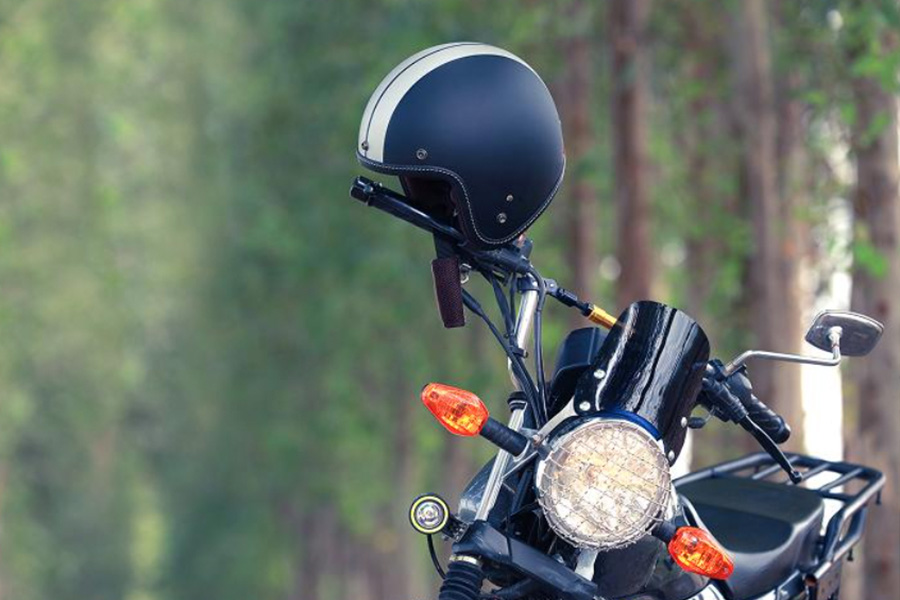
Riding a motorcycle offers unparalleled commuting convenience, agility through traffic, and freedom on the open road. Whether you commute daily to work or deliver goods across the city, owning a two-wheeler drastically cuts travel times. However, purchasing a motorbike involves far more than simply covering the initial machine price tag.
Riders must account for Certificate of Entitlement (COE) prices, comprehensive insurance premiums, road tax, Electronic Road Pricing (ERP) charges, routine servicing, and fuel. Calculating these ongoing operational expenses alongside your monthly income ensures you select a sustainable motorcycle loan in Singapore.
Budgeting Beyond the Monthly Loan Instalment
A common financial mistake among first-time bike buyers involves allocating their entire transport budget exclusively to the monthly loan repayment. Failing to factor in operational running costs creates severe financial pressure when monthly bills arrive.
Before committing to a financing agreement, map out your total monthly riding expenditure alongside loan repayment terms:
| Cost Category | Typical Monthly Expense Factors | Impact on Overall Budget |
| Loan Instalment | Principal amount, interest rate, and tenure length | Consumes baseline monthly financing allocation |
| COE & Depreciation | Current COE bidding rates and machine lifespan | Dictates overall purchase price and downpayment size |
| Insurance Premiums | Rider age, riding experience, and engine capacity (Class 2B/2A/2) | Demands significant annual or monthly outlays |
| Fuel & ERP Charges | Daily commuting distance and peak-hour expressway routes | Shifts dynamically based on distance and traffic |
| Routine Maintenance | Engine oil changes, tyre replacements, and brake pads | Requires a steady monthly upkeep reserve fund |
Evaluating these recurring operational expenses prevents surprise budget shortfalls, ensuring you maintain complete financial stability throughout your ownership tenure.
Calculating Your Safe Debt-to-Income Ratio
Financial experts recommend capping total vehicle ownership costs, including loan instalments, fuel, maintenance, and insurance, at 15% to 20% of your net monthly take-home income. Exceeding this threshold strains your ability to cover essential living expenses, savings goals, and emergency funds.
To calculate your safe borrowing limit, multiply your net monthly salary by 0.15. Subtract estimated monthly fuel, ERP, and maintenance expenses from this total to determine your maximum comfortable monthly loan instalment.
Choosing a longer tenure reduces monthly repayments, making expensive models appear affordable. However, longer tenures accrue higher total interest over time. Selecting a manageable tenure balances affordable monthly payments with minimal total interest charges.
Navigating Downpayments and Financing Options
Downpayment requirements vary significantly depending on the motorcycle’s age, engine capacity, and total purchase price. Setting aside a larger upfront cash downpayment reduces the total borrowed principal, resulting in lower monthly instalments and reduced overall interest charges.
Borrowers can secure financing through bike dealerships or directly through a reliable licensed moneylender. Direct personal loans often provide transparent fee structures, fixed monthly repayment schedules, and rapid approval times, giving you strong bargaining power when negotiating machine prices at the dealership.
Working with an accredited lender ensures full compliance with local lending regulations, protecting you from hidden administrative charges and unpredictable rate hikes.
Accounting for Insurance Tiers and Class Categories
Engine capacity dictates both purchase costs and ongoing running expenses. Class 2B motorcycles (up to 200cc) offer exceptional fuel economy, low road tax, and affordable insurance rates, making them ideal for budget-conscious commuters and delivery riders.
Upgrading to Class 2A or Class 2 machines increases fuel consumption, tyre replacement costs, and insurance premiums substantially. Insurance companies charge significantly higher premiums for younger riders or high-capacity sports bikes due to elevated risk profiles.
Factor insurance quotes into your pre-purchase calculations before choosing a bike model. Selecting an engine size that matches your daily commuting needs keeps ongoing ownership expenses well within your monthly income limits.
Ride Safely Within Your Financial Limits Today
Matching your loan structure to your monthly income and realistic riding costs transforms motorcycle ownership into a stress-free, rewarding experience. Careful budgeting protects your personal finances while keeping you mobile and independent on the road.
Calculate your net monthly income today, list your expected riding expenses, and choose a financing package that supports your lifestyle.
Frequently Asked Questions
What percentage of my monthly income should go toward a motorcycle?
Total motorcycle expenses, including loan instalments, fuel, insurance, and maintenance, should not exceed 15% to 20% of your net monthly take-home salary.
Does a larger downpayment significantly lower total loan costs?
Yes, paying a larger downpayment reduces your total borrowed principal, which lowers monthly instalments and reduces cumulative interest charges over the loan tenure.
Why do insurance rates vary so much between motorcycle models?
Insurers calculate premiums based on engine capacity, rider age, riding experience, and machine replacement values, making high-capacity bikes far more expensive to insure.
For an experienced team that offers clear loan terms, competitive rates, and quick approvals as a trusted licensed moneylender, contact 118 Credit today.